Innovative Neural Interface and Biotechnology Breakthroughs
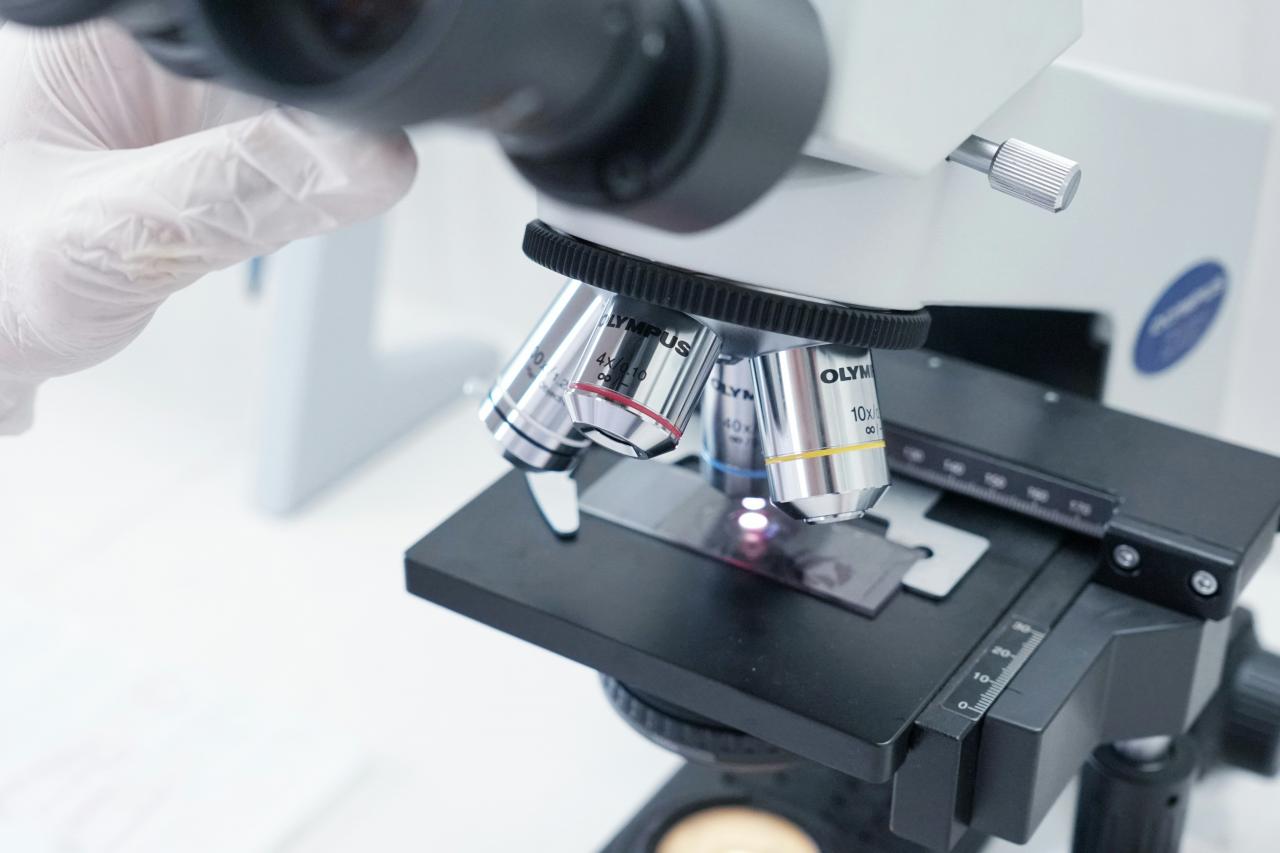
The convergence of biological systems and digital intelligence represents the most profound frontier of modern scientific discovery, offering a glimpse into a future where the limitations of the human body are fundamentally transcended. As we venture deeper into the mechanics of neural mapping and genetic manipulation, the boundaries between the physical self and the technological extension are becoming increasingly porous. Researchers are now developing sophisticated hardware that can communicate directly with the central nervous system, bypassing traditional sensory inputs to restore movement, sight, and even cognitive function. The implications for clinical medicine are staggering, yet the potential for human enhancement suggests an even broader cultural shift toward a high-performance biological existence.
Investment in biotechnology has reached unprecedented levels, as global enterprises recognize that the next great economic revolution will occur within the human genome and the neural pathways of the brain. These breakthroughs are not merely incremental improvements but are instead seismic shifts that challenge our very understanding of consciousness and physical identity. Every advancement in brain-computer interfaces (BCI) and cellular engineering brings us closer to a reality where neurological diseases could be treated with the same precision as a software update.
The integration of synthetic biology with artificial intelligence is creating a new language for life, allowing us to write and edit biological code with the accuracy of a master architect. In this high-stakes landscape, the ethical considerations are as complex as the technology itself, demanding a rigorous framework for the responsible deployment of life-altering innovations. As these tools move from the laboratory to the commercial marketplace, they promise to redefine the standard of human capability and the essence of personal autonomy.
The following analysis explores the core pillars of this revolution, providing a comprehensive look at the breakthroughs that are currently reshaping the trajectory of the human species. The synchronization of the human mind with external computing power is no longer the stuff of speculative fiction. Modern laboratories are successfully demonstrating that thoughts can be translated into digital commands with near-perfect accuracy. This evolution is driving a massive influx of capital into specialized startups and established pharmaceutical giants alike.
Core Pillars of Modern Biotechnological Advancement
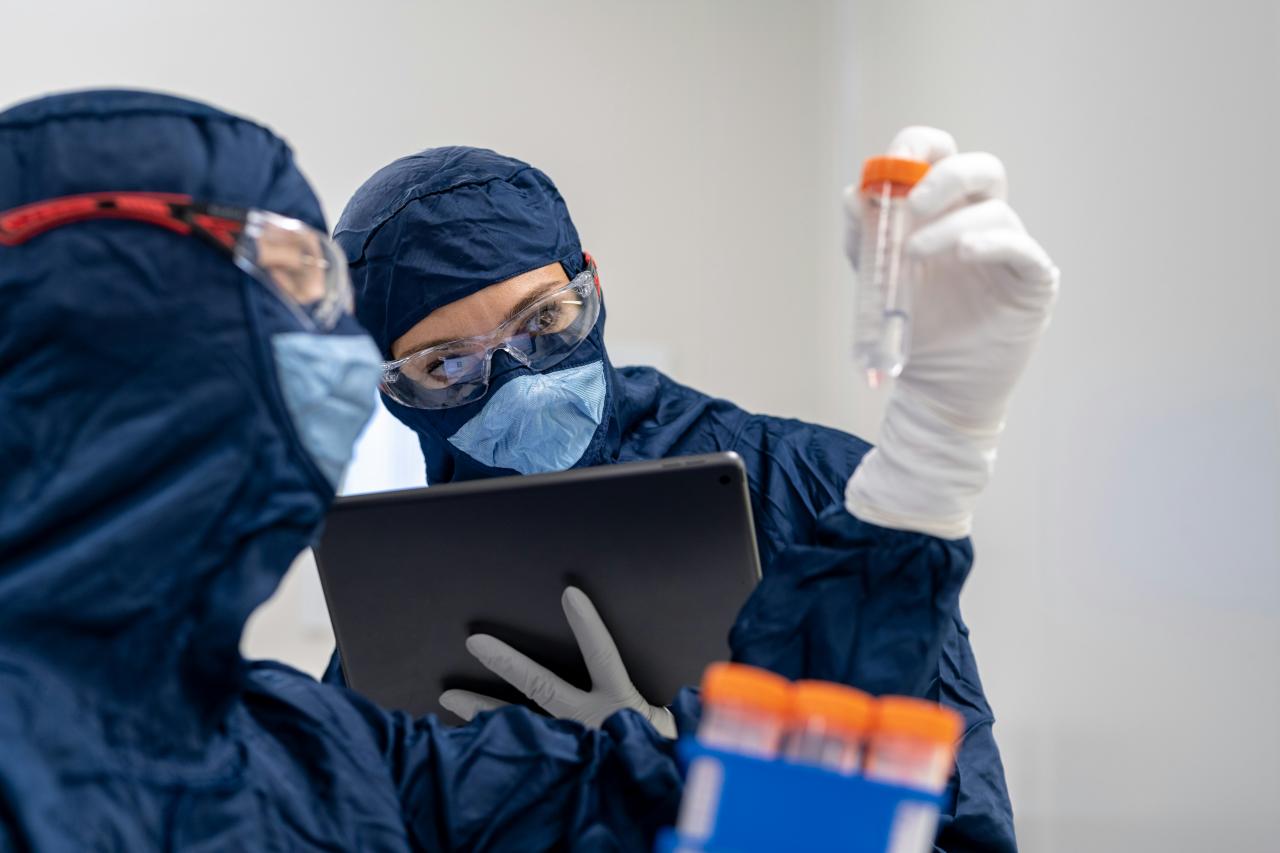
To understand the full scope of this revolution, one must examine the specific technological sectors that are driving the most significant progress.
A fragmented view of these innovations misses the synergistic effect they have when combined into a single, cohesive health ecosystem.
The following elements represent the most critical areas of focus for the current generation of scientists and developers:
A. High-Density Intracortical Neural Probes
B. Synaptic Plasticity and Neuroregeneration Methods
C. Advanced CRISPR-Cas9 Genomic Editing Tools
D. Synthetic Biology for Designer Protein Synthesis
E. Biocompatible Nanomaterials for Neural Implants
F. Optogenetic Modulation of Cellular Activity
G. Real-Time Neural Signal Processing Algorithms
H. Personalized Pharmacogenomic Treatment Frameworks
I. Brain-Computer Interface Security and Privacy
J. Bio-Electronic Medicine and Peripheral Nerve Stimulation
High-Density Intracortical Neural Probes
The hardware used to interface with the human brain has evolved from bulky external sensors to microscopic probes that sit directly within the gray matter.
These high-density arrays can record the activity of thousands of individual neurons simultaneously, providing a high-resolution window into the mind.
The materials used must be flexible enough to move with the natural pulsations of the brain to avoid causing inflammation or scarring.
Developing these interfaces requires a deep understanding of both mechanical engineering and neurobiology.
The goal is to create a permanent, high-bandwidth connection that remains stable for decades rather than months.
As the probe count increases, the amount of data being processed grows exponentially, requiring specialized onboard chips to handle the load.
Synaptic Plasticity and Neuroregeneration Methods
Restoring function to a damaged nervous system is one of the most difficult challenges in modern medicine.
Recent breakthroughs in neuroregeneration focus on stimulating the brain’s natural ability to reorganize itself, a concept known as synaptic plasticity.
Chemical growth factors and electrical stimulation are being used in tandem to encourage neurons to grow across previously severed pathways.
This field holds the key to curing paralysis and treating degenerative conditions like Alzheimer’s and Parkinson’s.
By providing the brain with the right environmental cues, scientists are finding that the nervous system is much more adaptable than previously believed.
The integration of neural interfaces can act as a “bridge,” allowing the brain to relearn how to control physical movements through digital mediation.
Advanced CRISPR-Cas9 Genomic Editing Tools
Gene editing technology has provided humanity with the ability to edit the blueprint of life itself.
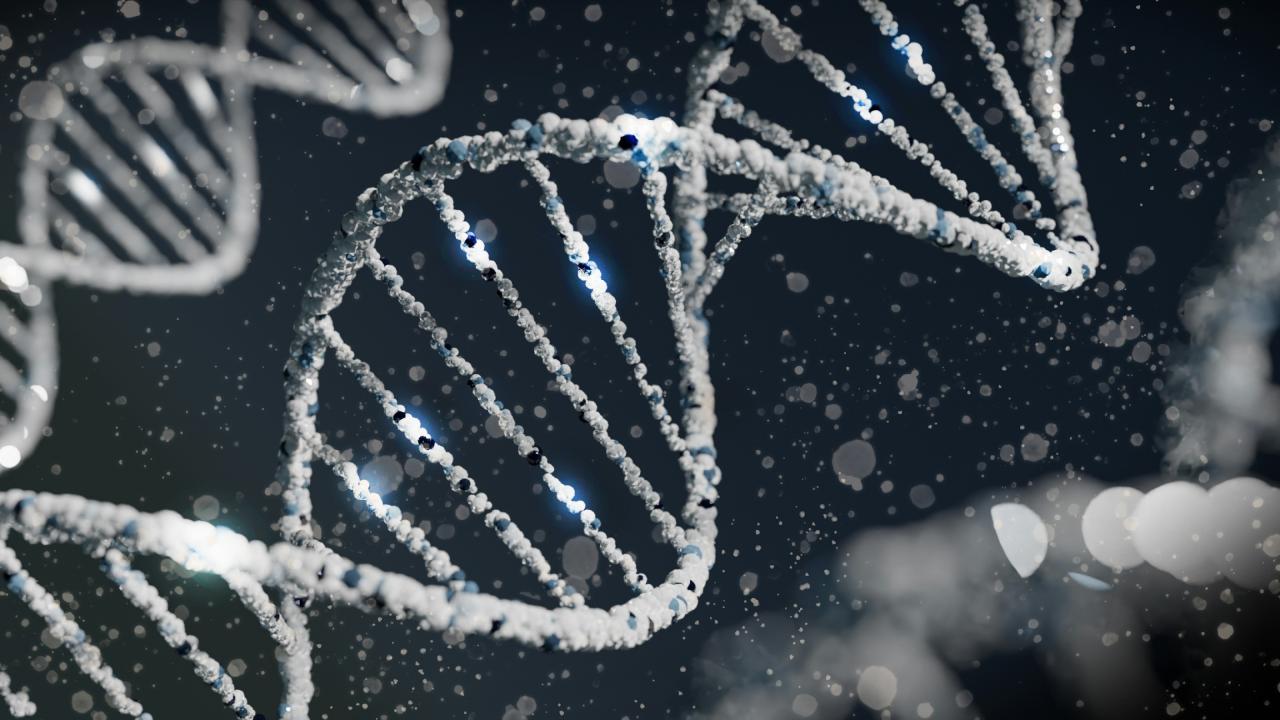
CRISPR-Cas9 acts as a pair of molecular scissors that can cut out specific segments of DNA and replace them with desired sequences.
This is being used to eliminate hereditary diseases and create crops that are resistant to the changing global climate.
The precision of these tools is constantly being refined to reduce the risk of “off-target” effects where unintended parts of the genome are edited.
In a clinical setting, this allows for the creation of personalized therapies that are tailored to the individual’s specific genetic makeup.
The speed at which these treatments can be developed is revolutionizing the pharmaceutical industry’s approach to rare diseases.
Synthetic Biology for Designer Protein Synthesis
Synthetic biology involves the design and construction of new biological parts, devices, and systems that do not exist in the natural world.
One of the most exciting applications is the synthesis of designer proteins that can perform specific tasks within the body.
These proteins can be engineered to target cancer cells with pinpoint accuracy while leaving healthy tissue completely untouched.
This discipline treats biology as a branch of engineering, where cells can be programmed to produce medicine on demand.
As our understanding of protein folding and molecular interaction grows, the complexity of what we can build increases.
Synthetic biology is essentially creating a toolkit for the fabrication of biological solutions to the world’s most pressing health problems.
Biocompatible Nanomaterials for Neural Implants
The greatest hurdle for any implantable technology is the body’s natural immune response to foreign objects.
Nanotechnology is providing new materials that are “cloaked” to appear like natural tissue to the body’s defense systems.
These coatings are designed to be conductive enough to transmit signals while remaining soft enough to prevent mechanical trauma.
Materials like graphene and specialized conductive polymers are being tested for their long-term durability within the harsh environment of the human body.
The interface between the organic and the inorganic must be perfectly managed to ensure the longevity of the device.
Innovation in material science is the unsung hero that allows neural interfaces to transition from lab experiments to real-world medical products.
Optogenetic Modulation of Cellular Activity
Optogenetics is a technique that involves using light to control cells in living tissue, typically neurons, that have been genetically modified to be light-sensitive.
This allows scientists to turn specific parts of the brain on or off with the flick of a laser.
It provides a level of control that is much more precise than traditional electrical stimulation or chemical drugs.
This technology is currently being used to map the complex circuitry of the brain and identify the specific pathways responsible for various behaviors.
In the future, optogenetic implants could be used to treat mood disorders or chronic pain without the side effects of systemic medication.
The ability to interact with the nervous system using light is one of the most elegant and powerful tools in the modern neuroscientist’s arsenal.
Real-Time Neural Signal Processing Algorithms
The data coming out of a high-density neural interface is a chaotic storm of electrical pulses that must be decoded in real-time.
Advanced machine learning algorithms are used to identify the patterns within this noise that correspond to specific intentions, like “move arm left” or “type the letter A.”
These models must be incredibly fast and power-efficient to run on the small batteries used in implantable devices.
As these algorithms become more sophisticated, they can learn and adapt to the specific neural patterns of the individual user.
This creates a seamless “closed-loop” system where the interface becomes an intuitive part of the person’s own body.
Refining these decoders is essential for making neural interfaces fast enough for high-speed communication and complex motor control.
Personalized Pharmacogenomic Treatment Frameworks
Every human body reacts differently to medication based on its unique genetic profile.
Pharmacogenomics is the study of how genes affect a person’s response to drugs, allowing for the creation of truly personalized treatment plans.
This eliminates the “trial and error” approach to medicine, ensuring that patients receive the most effective drug at the correct dose from day one.
In the context of high-end health management, this represents a shift toward proactive and preventative care.
By analyzing a patient’s DNA, doctors can predict which diseases they are most at risk for and take steps to prevent them before they manifest.
This level of precision is becoming a hallmark of premium medical services for the global elite.
Brain-Computer Interface Security and Privacy
When a device is connected directly to your brain, the stakes for cybersecurity could not be higher.
Protecting the “neural data” of an individual is a major focus for developers as these devices move toward commercialization.
Encryption protocols must be built into the hardware to prevent unauthorized access to a person’s thoughts or motor controls.
Privacy concerns also extend to how this data is stored and used by the companies that manufacture the devices.
Establishing a robust ethical and legal framework for neural privacy is essential for maintaining public trust in the technology.
The security of the mind is the final frontier of digital protection in an increasingly connected world.
Bio-Electronic Medicine and Peripheral Nerve Stimulation
Bio-electronic medicine is a new field that uses electrical pulses to treat chronic diseases by stimulating the peripheral nerves.
The vagus nerve, for example, can be stimulated to regulate the immune system and treat inflammatory conditions like rheumatoid arthritis.
This approach offers a way to treat disease without the need for traditional pharmaceuticals and their associated side effects.
These small, implantable “electroceuticals” can be programmed to deliver stimulation only when the body needs it.
This localized approach minimizes the impact on the rest of the body, making it a highly efficient form of therapy.
As we map more of the body’s electrical pathways, the range of conditions that can be treated with bio-electronics will continue to expand.
Conclusion
The landscape of modern biotechnology is currently undergoing a period of unprecedented and rapid evolution. Advancements in neural interfaces are fundamentally changing our understanding of what it means to be human.
Restoring physical function through digital mediation is no longer a distant dream but an imminent medical reality. The integration of genetic editing tools allows for the precise correction of long-standing hereditary conditions. Strategic investment in these fields is driving a new era of personalized and highly effective healthcare solutions.
Innovation in material science ensures that these complex devices can remain safe and functional within the body. The psychological and ethical implications of these technologies require a careful and considered societal response. Decoding the language of the brain is the key to unlocking the full potential of human-computer collaboration. Security and privacy must be the foundational pillars of any commercial neural interface system. The future of the human species will be defined by our ability to harmonize our biological selves with technological progress.
